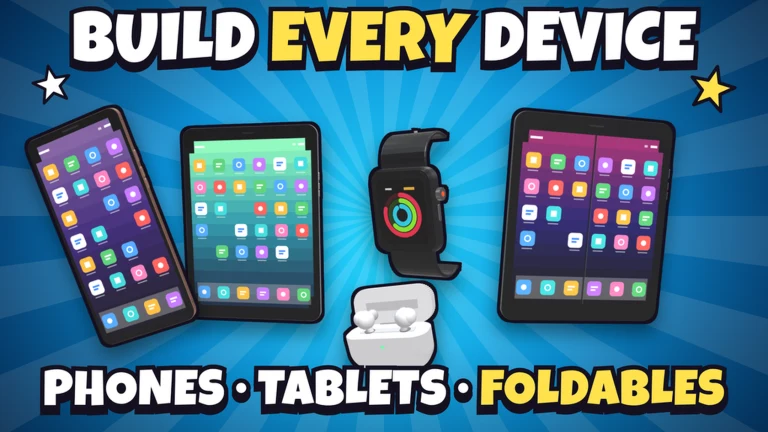
- Build a Phone Empire build better phones starts with balanced components, not maxed-out parts
- Design tiers matter: match screen, camera, shell, and material choices to your current cash stage
- Price against cost: test demand, then adjust gradually instead of locking one price
- Research phones first: the core phone path funds every later product line
- Launch, save, reinvest: one reliable product cycle beats risky premium builds early on
How to Build Better Phones in Build a Phone Empire
In Build a Phone Empire, your company lives or dies by the quality of the phones you design. Better phones come from balancing screen, camera, shell, button, color, material, and logo choices against your production budget and current market demand—not from buying the most expensive option in every category.
Every design decision should answer three questions: can you afford to produce it, will it sell at a profitable price, and does it strengthen your next release cycle? A phone that scores well on all three is a better phone than one that simply looks premium on the design screen.
Component Balance
- Screen and camera drive perceived quality
- Shell and button affect durability perception
- Color, material, and logo shape brand identity
Cost Awareness
- Premium parts raise production cost
- Margins shrink if demand is weak
- Keep a cash reserve for operations
Market Fit
- Price relative to perceived value
- Adjust after observing real sales
- Marketing amplifies a proven seller
A balanced phone with a sustainable margin outperforms an over-budget flagship when your company is still small. Build quality into your process first, then into your parts.
Phone Design Tier List by Game Stage
Use stage-based design plans instead of one fixed build. The table below matches component strategies to where your company currently stands.
| Tier | Stage | Screen / Camera | Shell / Button | Material / Logo | Best Use |
|---|---|---|---|---|---|
| B | Early Game | Affordable options | Low-cost, basic | Standard low-cost, basic logo | Starter phone from the garage |
| A | Mid Game | Mid-range, quality-focused | Durable, functional | Standard quality, recognizable logo | Reliable repeat sales |
| S | Late Game | High-end options | Premium | Premium material, strong brand logo | Flagship with marketing support |
| C | Any (risky) | Most expensive available | Most expensive available | Premium everything | Testing price ceilings only |
| Strength | B Tier | A Tier | S Tier |
|---|---|---|---|
| Starting cash needed | Low | Moderate | High |
| Price ceiling | Limited | Moderate | High |
| Loss risk on failed launch | Low | Moderate | High |
| Works with marketing | Rarely | Sometimes | Yes |
Maxing every category before your cash flow is stable creates low margins, weak demand, and no reserve for the next launch. Reserve full-premium builds for when marketing and regional reach are already established.
Step-by-Step: Building Your First Better Phone
Follow this loop every run. Each cycle should produce a phone that sells better than the last one.
Start in the Garage
Learn where the phone design interface, parts categories, production, pricing, and launch controls are located before spending cash on expansion.
Design a Balanced First Phone
Choose compatible components across screen, camera, shell, button, color, material, and logo. Keep the design simple enough to produce consistently.
Set a Sustainable Price
Account for part and production costs, leave cash for operations, and start conservatively. Lower the price if demand is weak.
Hire Staff Only When Stable
Compare employee cost with expected income. Staff should improve the cycle enough to justify their ongoing expense—not before.
Launch, Save, and Reinvest
Release the phone, monitor sales, and reinvest profits into the next design. The game auto-saves, but finish important actions before switching servers.
One reliable product cycle at a time beats juggling multiple half-finished designs. Finish, launch, measure, improve, repeat.
Research Order That Supports Better Phones
Research determines which products your company can design and release. Phones fund everything else, so protect the core path before branching out.
| Product Line | Research Focus | Priority | Planning Note |
|---|---|---|---|
| Phones | Core research path first | Highest | Phone releases establish your main revenue cycle |
| Tablets | Adjacent line after stable phones | High | Add only without slowing phone development |
| Smartwatches | Connected-device branch | Medium | Needs cash and staff for extra design work |
| Earbuds | Accessory branch | Medium | Supporting line, not a phone replacement |
| Foldables | Advanced phone branch | Situational | Requires research capacity and cash reserve |
| Laptops | Later research options | Situational | Best during broad expansion phases |
Prioritize technologies that unlock new products or improve your main revenue source before investing in optional product lines. A new category you cannot support is wasted research.
Pricing, Launches, and Mistakes to Avoid
Pricing is an experiment, not a guess. Watch how each launch performs and adjust.
| Situation | What It Means | Recommended Action |
|---|---|---|
| Sells fast, low profit | Price is below perceived value | Raise price gradually |
| Slow sales, good product | Price too high for market | Lower price or improve design |
| Strong sales, healthy margin | Product-market fit found | Add marketing, then expand |
| Weak sales, premium parts | Overbuilt for demand | Simplify the next design |
Better Phone Launch Checklist:
- Design balanced components within budget
- Set price above production cost with margin
- Keep a cash reserve before launching
- Review sales and reviews after launch
- Reinvest profits into the next design cycle
Avoid spending most of your balance on expansion before the first product is tested, keeping an expensive price after weak demand, and paying for marketing and staff before regular sales are confirmed.
FAQ
Q: How do I build better phones in Build a Phone Empire early on?
Start with affordable, balanced components in the garage, price the phone above production cost, and reinvest sales income into each new design. Better phones come from repeated, measured cycles rather than one expensive build.
Q: Should I use premium parts on every phone?
No. Premium parts only pay off when demand and cash flow are stable. Early on they create low margins and drain the reserve you need for the next launch.
Q: What should I research first?
The core phone research path. Phone releases establish your main revenue cycle and fund later product lines like tablets, smartwatches, earbuds, foldables, and laptops.
Q: When should I add marketing and staff?
After the core product already sells well enough to cover the additional cost. Marketing and employees strengthen a profitable operation but can sink an untested one.