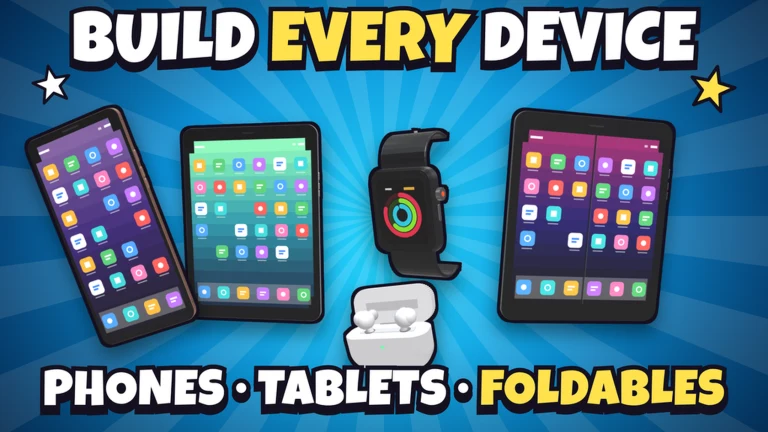
- Build a Phone Empire upgrades reward patience: build one profitable product before buying premium options.
- Best first upgrade: core phone research, because phone releases fund every later investment.
- Avoid early traps: maxed-out components, full hiring, and immediate regional expansion drain cash.
- Use marketing and staff only after a product already sells reliably.
- Plan Legacy resets so permanent bonuses compound across runs instead of one long grind.
How Upgrades Work in Build a Phone Empire
Every upgrade in Build a Phone Empire competes for the same pool of cash. Whether you are buying research nodes, expanding the office from a garage into a headquarters, hiring employees, or funding marketing campaigns, the money comes from product sales. That is why upgrade order matters more than upgrade size: a cheap research node that unlocks a new product line often generates far more income than an expensive cosmetic office upgrade that changes nothing operationally.
The game's core loop is design, price, launch, monitor sales, and reinvest. Upgrades slot into that loop in four broad categories, each with a different payback profile.
| Upgrade Category | What It Improves | Typical Payback | Risk Level |
|---|---|---|---|
| Research | Unlocks new products and technologies | Long-term, compounding | Low if ordered correctly |
| Office Expansion | Workspace size and capacity | Medium-term | Medium |
| Staff | Production and sales efficiency | Medium-term, ongoing cost | Medium |
| Marketing | Demand and review performance | Short-term boost | High if product is weak |
Do not spend most of your starting balance on office expansion or premium components while your first product is still untested. A stable, repeatable product cycle gives every later upgrade a stronger financial base.
Upgrade Priority Rankings by Game Stage
The correct upgrade order shifts as your company grows. Below is the stage-based ranking we recommend for the 2026 version, based on the official game page and DEVTEC STUDIOS community guidance.
| Priority | Early Game (Garage) | Mid Game (Office) | Late Game (HQ) |
|---|---|---|---|
| 1st | First phone design cycle | Core phone research path | Premium flagship design |
| 2nd | Basic phone research | Hiring key staff | Regional expansion |
| 3rd | Careful first hire | Marketing campaigns | Foldables and laptops |
| 4th | Price testing | Office expansion | Extra design slots |
| 5th | Cash reserve | Tablet research | Legacy reset planning |
Early: Prove the Product
- Low-cost starter phone using affordable screen, camera, and shell options
- Conservative pricing with gradual adjustments
- Keep a cash reserve for operating costs
Mid: Strengthen the Cycle
- Balanced mid-range design with broad-appeal color and standard materials
- Add marketing after sales are consistent
- Research tablets when cash flow supports it
Late: Scale and Compound
- Balanced premium flagship with high-end components
- Expand regions with a healthy reserve
- Sell for Legacy bonuses at deliberate breakpoints
Premium components are useful only when the resulting phone can sell at a profitable price. Choosing the most expensive option in every category automatically often produces low margins, weak demand, and less cash for the next launch.
Research Upgrades: Step-by-Step Order
Research determines which products your company can design and release. Rushing into low-return branches early slows everything down. Follow this order to keep the main revenue cycle strong.
Complete the Core Phone Path
Phone releases establish your main revenue cycle and fund later technologies, so finish the phone research foundation before anything else.
Add Tablets After Income Stabilizes
Research tablets only when the company can support a second product line without slowing the main phone development cycle.
Add Smartwatches and Earbuds
Treat smartwatches and earbuds as supporting product lines. Add them once cash and staff can handle the extra design and release workload.
Unlock Foldables Situationally
Foldables require advanced research capacity and a reliable cash reserve; skip them if they would starve your core products.
Finish With Laptops During Expansion
Laptops fit a broad expansion phase, not the start of a new company or a fresh Legacy run.
| Product Line | Unlock Focus | Priority | Planning Note |
|---|---|---|---|
| Phones | Core research foundation | Highest | Funds all later technologies |
| Tablets | Second product line after stability | High | Do not slow phone development |
| Smartwatches | Connected-device branch | Medium | Needs cash and staff headroom |
| Earbuds | Accessory branch | Medium | Supporting line, not a priority |
| Foldables | Advanced phone branch | Situational | Only with strong reserves |
| Laptops | Late research options | Situational | Best during broad expansion |
If you own the Research Accelerator pass, the same order still applies, but gaps between tiers shrink. That makes early phone research even more valuable relative to optional branches.
Staff, Office, and Marketing Upgrade Timing
Non-research upgrades add ongoing costs, so timing them around a proven product is the safest approach.
| Upgrade | Buy When | Avoid Buying When |
|---|---|---|
| First employees | Workflow is stable and income covers their cost | First product is still unprofitable |
| Full team | Multiple product lines are active | Every position filled before first profit |
| Office expansion | Sales consistently exceed workspace capacity | Right after one successful launch |
| Marketing | Product already sells and needs a demand boost | No confirmed regular sales yet |
| Regional expansion | Consistent performance plus healthy reserve | Cash flow is thin or untested |
Staff and marketing are recurring expenses, not one-time purchases. Add them only after the core product covers the additional investment, or a slow sales week can wipe out your reserve.
Upgrade Checklist and Legacy Planning
Before committing cash to any major purchase, run through this checklist to confirm the upgrade supports your current cycle.
Pre-Upgrade Checklist:
- Current product cycle is profitable and repeatable
- Cash reserve covers ongoing staff and marketing costs
- Research order follows the phone-first priority path
- Pricing has been tested against real demand
- Regional expansion follows stable income, not one lucky launch
Selling your company preserves permanent Legacy benefits. Several well-timed resets, each ending after a productive development phase, can outperform one very long first run because every new company starts with a stronger position.
FAQ
Q: What is the best first upgrade in Build a Phone Empire?
The best first upgrade is completing the core phone research path and launching a reliable low-cost phone. Phone releases establish your main revenue cycle, and every later upgrade depends on that income.
Q: Should I buy premium phone components early?
No. Premium components carry high production costs and often produce low margins before demand is stable. A balanced mid-range or affordable design sells more consistently and leaves cash for research and staff.
Q: When should I hire employees instead of researching?
Hire when your workflow is stable and income clearly covers the ongoing cost. If hiring would interrupt research or leave no cash reserve, finish the current research milestone first.
Q: How do Build a Phone Empire upgrades interact with the Legacy system?
Each run's upgrades build toward a company you can eventually sell for permanent Legacy bonuses. Reset at a deliberate breakpoint after a productive phase, then rebuild the phone business first to reach milestones faster.