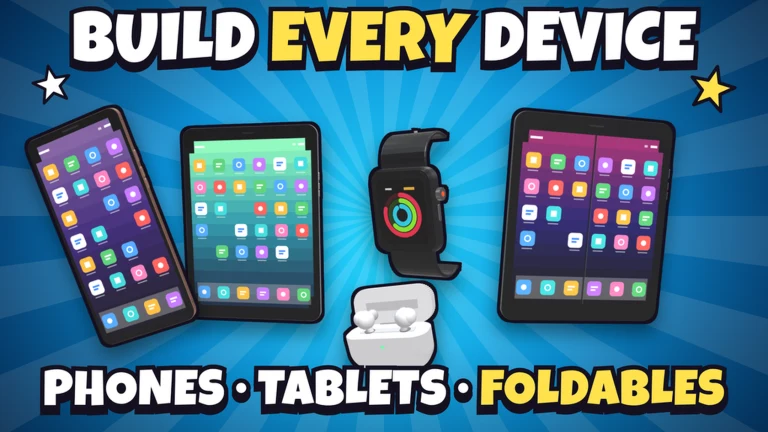
- Phone parts in Build a Phone Empire cover screen, camera, shell, button, color, material, and logo choices.
- Match parts to your stage: cheap components early, balanced mid-game builds, premium flagship parts late.
- Cost control matters: premium options only pay off when the phone can sell at a profitable price.
- Test pricing with each design: part quality, price, and demand must be evaluated together.
- Research unlocks new parts: advancing the phone research path opens stronger component options.
Phone Parts Overview: What Each Category Does
In Build a Phone Empire, your phone is assembled from seven customizable part categories. Each one affects the product's appeal, production cost, and the price the market will accept. Understanding how these categories interact is the difference between a phone that sells consistently and one that drains your cash reserve.
| Part Category | Role in Design | Cost Impact | Best Used |
|---|---|---|---|
| Screen | Core visual quality and appeal driver | High on premium options | Late-game flagships |
| Camera | Boosts perceived value | Medium to high | Mid and late game |
| Shell | Durability and product identity | Low to premium range | Every stage |
| Button | Functional detail, minor appeal | Low | Any stage |
| Color | Marketability and style | Low | Any stage |
| Material | Overall build quality feel | Medium | Mid game onward |
| Logo | Brand identity and recognition | Low | Any stage |
A single premium part does not make a premium phone. Screen, camera, shell, material, and logo choices should be planned together with your target price, because buyers respond to the whole product, not one component.
Part Selection by Game Stage
The right parts depend on your cash, market reach, and research progress. A low-cost starter phone built in the garage serves a very different purpose than a late-game flagship supported by marketing and regional expansion.
Early Game: Low-Cost Starter
- Affordable screen and camera options
- Low-cost shell and basic buttons
- Simple broad-appeal color
- Standard low-cost material
- Purpose: test pricing and demand with minimal risk
Mid Game: Balanced Sales Model
- Mid-range or quality-focused screen
- Mid-range camera, durable shell
- Broad-appeal color, standard material
- Recognizable general-purpose logo
- Purpose: reliable repeat sales with healthy margins
Late Game: Premium Flagship
- High-end screen and camera
- Premium shell, material, and brand-focused logo
- Marketable premium color
- Purpose: support high prices with established marketing and regions
| Stage | Part Budget | Price Strategy | Main Risk |
|---|---|---|---|
| Early | Minimal | Conservative, adjust down on weak demand | Over-spending before first profit |
| Mid | Moderate | Gradual raises on strong demand | Pricing too close to premium rivals |
| Late | High | Premium pricing with marketing support | High costs if demand drops |
Filling every category with the most expensive option early creates high production costs, weak demand, and low margins. Premium parts are efficient only when your market, cash flow, and research can support them.
Step-by-Step: Building a Phone from Parts
Follow this workflow every time you design a new product. It keeps part spending tied to a realistic sales plan instead of impulse upgrades.
Check Your Budget and Research
Review available cash and which part options your research has unlocked. Never commit to premium parts before confirming you can fund production and operations afterward.
Choose Compatible Components
Select screen, camera, shell, and button options that fit your stage plan. Prioritize a balanced design that can be produced and sold consistently over a flashy one-off.
Style with Color, Material, and Logo
Add a marketable color, an appropriate material tier, and a logo that builds brand recognition. These low-cost choices improve appeal without breaking the budget.
Set a Sustainable Price
Account for part and production costs, then price the phone so it earns profit without exceeding what the current market accepts. Start conservatively.
Launch, Measure, and Iterate
Release the phone, watch sales performance, and reinvest in the next design. If sales are weak, adjust price or improve parts rather than producing more of a struggling product.
Always leave cash available for operating costs after buying parts. A design that consumes your entire balance leaves nothing for staff, marketing, or the next launch.
Parts and Research: Unlocking Better Components
Research determines which parts and product lines your company can access. The core phone research path is your foundation, and it opens stronger component options that feed directly into better designs.
| Research Priority | Product Line | When to Invest | Effect on Parts |
|---|---|---|---|
| Highest | Phones | Immediately | Unlocks the core part progression |
| High | Tablets | After stable phone income | Adds a second device design track |
| Medium | Smartwatches | With enough cash and staff | New connected-device parts |
| Medium | Earbuds | When diversifying | Accessory-focused components |
| Situational | Foldables | With strong research capacity | Advanced phone branch parts |
| Situational | Laptops | During broad expansion | Late-game device options |
Prioritize technologies that unlock new products or improve your main revenue source before investing in optional product lines. A stronger phone part pool benefits every future launch.
Design Quality Checklist
Before Every Launch:
- Parts match my current game stage and cash reserve
- Total production cost is confirmed before pricing
- Price tested against current market demand
- Cash reserve kept for staff and operations
- Research planned for the next part upgrade
- Sales reviewed after launch before next design
Part rankings should be validated against live sales results, especially after game updates. Treat every design as an experiment: measure, adjust, and improve.
FAQ
Q: Should I always buy the most expensive phone parts in Build a Phone Empire?
No. Premium parts raise production costs and only pay off when demand, marketing, and regional reach support a high selling price. Early on, affordable parts let you test pricing with much lower risk.
Q: Which part category should I upgrade first?
Screen and camera typically drive perceived value the most, but upgrade only when the resulting phone can sell at a profitable price. Match upgrades to your game stage rather than upgrading everything at once.
Q: How do parts relate to research?
Research unlocks new parts and product lines. Building the core phone research path first opens stronger component options, which then feed into better phone designs and higher possible prices.
Q: My phone with good parts is not selling. What is wrong?
Check the price. If a phone sells slowly, reduce the price or improve the design before producing more. Part quality, pricing, and demand must be evaluated together, never in isolation.
Sources: Build a Phone Empire on Roblox and DEVTEC STUDIOS community.