- Build a Phone Empire business strategy starts with one reliable product cycle before expansion.
- Core loop: design a phone, price it above cost, launch, measure demand, reinvest profits.
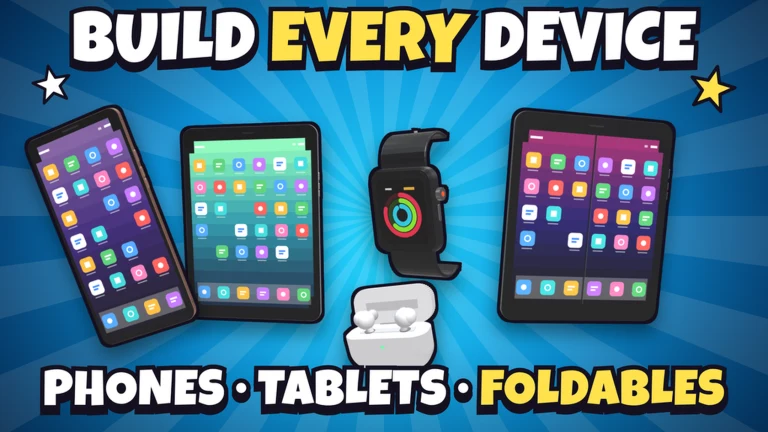
- Research order: phones first, then tablets, smartwatches, earbuds, foldables, laptops.
- Legacy resets compound: several well-timed resets can beat one very long first run.
- Goal rewards provide bonus cash—check the goals panel regularly so nothing is left unclaimed.
Core Business Strategy Overview
Build a Phone Empire, developed by DEVTEC STUDIOS and released on Roblox on September 22, 2026, is a phone company tycoon where you design devices, build offices, hire staff, research technology, and compete on leaderboards. The winning business strategy is not chasing a single expensive upgrade—it is improving the complete product cycle: design, pricing, launch, sales feedback, and reinvestment.
A stable product gives every later upgrade a stronger financial base. Build the product before expanding the company.
The game currently offers 28 goals, roughly 76% user rating, and a peak of around 6.8K concurrent players, showing that active, engaged play is the norm. Your strategy should always answer three questions: can this product sell, can it sell above cost, and does the next investment directly support another sale?
| Strategy Pillar | What It Controls | Priority |
|---|---|---|
| Product design | Quality, appeal, production cost | Highest |
| Pricing & demand | Margin per unit, sales volume | Highest |
| Research | Product line unlocks | High |
| Staff & marketing | Cycle speed, sales boost | Medium |
| Region expansion | Market size, global income | Medium |
| Office & cosmetics | Comfort, appearance | Low |
Early-Game Money Strategy
Early cash is scarce, and the most common mistake is spending most of the starting balance on expansion while the first product is still untested. Follow a conservative launch plan from the garage instead.
Start in the Garage
Learn where phone design, production, staff, pricing, and launch controls are located before committing cash to expansion.
Design a Low-Cost Starter Phone
Use affordable screen, camera, shell, button, color, material, and logo options. A balanced starter design reduces the loss from an unsuccessful first launch.
Set a Sustainable Price
Account for part and production costs, leave operating cash available, and lower the price if demand is weak. Treat pricing as an experiment.
Hire Only When Stable
Compare employee cost with expected income. Avoid filling every position before the first product is profitable.
Launch, Save, Reinvest
Release the phone, review sales and cash, and reinvest in improvements that directly support the next product. The game auto-saves, but finish important actions before switching servers.
Do not hire staff, buy marketing, or expand regions before confirming regular sales. Multiple ongoing costs can drain cash while income is still unreliable.
Pricing feedback loop:
| Sales Signal | Interpretation | Action |
|---|---|---|
| Sells fast, low profit | Price below market tolerance | Raise price gradually |
| Weak sales, high price | Demand rejection | Lower price or improve design |
| Steady sales, good margin | Healthy product | Keep and reinvest profits |
| No sales at all | Design/price mismatch | Redesign before producing more |
Research and Product Line Planning
Research determines which products your company can design and release. Prioritize technologies that unlock new products or strengthen your main revenue source before investing in optional lines.
| Product Line | Unlock Focus | Priority | Planning Note |
|---|---|---|---|
| Phones | Core research path first | Highest | Establishes the main revenue cycle that funds everything else |
| Tablets | Path after stable phone ops | High | Add when it will not slow phone development |
| Smartwatches | Connected-device branch | Medium | Best with enough cash and staff to manage extra releases |
| Earbuds | Accessory branch | Medium | Supporting line only—do not delay phone/tablet research |
| Foldables | Advanced phone branch | Situational | Needs research capacity and a reliable cash reserve |
| Laptops | Late research options | Situational | Consider during broad expansion, not at company start |
Invest in research that unlocks new products or improves your main source of revenue first. Optional product lines can wait until the core cycle is dependable.
Scaling: Staff, Marketing, and Regions
Once the core product sells reliably, add costs that multiply income rather than drain it. Staff and marketing strengthen a profitable operation; they cannot rescue an unprofitable one.
Staff Scaling
- Hire when workflow is stable
- Each role must justify its ongoing cost
- Auto-Hire style passes suit long sessions
Marketing Timing
- Add after regular sales are confirmed
- Boosts reviews and sales reach
- Avoid stacking marketing with untested products
Region Expansion
- Requires consistent product performance
- Keep a healthy cash reserve first
- Most effective mid- to late-game
Expand regions only after income stabilizes. Expansion works best when the business can fund new operations without interrupting the existing sales cycle.
Mid-game phone design should stay balanced: mid-range or quality-focused screens and cameras, durable reasonably priced shells, broad-appeal colors, and standard materials. Reserve full premium builds for late game when marketing and regional reach support high prices.
Legacy Resets and Long-Term Goals
The Legacy system lets you sell your company and restart while keeping permanent boosts. The decision rule: continue expanding when your company is still unlocking major improvements quickly; consider Legacy when progress begins to slow.
Build a Stable First Company
Establish dependable cash flow and enough research to understand the pace of your run before considering a reset.
Compare Expansion vs Legacy Value
Check whether more releases, hiring, and research can outproduce the permanent benefit of selling now.
Sell at a Deliberate Breakpoint
Reset after completing a productive phase—not right after starting or during an upgrade bottleneck.
Apply the Permanent Boost
Treat Legacy bonuses as compounding investments; several well-timed resets can outperform one very long first run.
Repeat with a Faster Plan
Rebuild the phone business first, then reach research, product, and expansion milestones sooner with the stronger start.
Goals provide extra cash across 28 objectives in categories like design, hiring, research, releases, and expansion. Complete them alongside your normal plan so each action advances both the business and the reward track.
Empire Growth Milestones:
- Launch first profitable phone from the garage
- Complete design and hiring goal categories
- Unlock tablet product line
- Establish stable income before first region expansion
- Plan first Legacy reset at a deliberate breakpoint
Check the goals panel regularly so completed cash rewards are not left unclaimed while planning upgrades.
FAQ
Q: What is the best Build a Phone Empire business strategy for new players?
Focus on one reliable product cycle: design a low-cost balanced phone, price it above production cost, launch, observe demand, and reinvest. Avoid expansion, extra staff, and marketing until the first product sells consistently.
Q: Which product line should I research first?
Phones first—they establish the main revenue cycle that funds later technologies. Tablets are next once phone operations are stable, followed by smartwatches and earbuds. Foldables and laptops are situational, best saved for a broad expansion phase.
Q: When should I sell my company for a Legacy reset?
Sell at a deliberate breakpoint after a productive development phase, ideally when incremental growth slows. Do not reset while the company is still struggling to establish its basic income cycle, because the permanent Legacy boost compounds best across well-timed resets.
Q: Should I hire employees early?
Only when the business can support their cost. Staff should improve production or sales enough to justify the ongoing expense—avoid filling every position before the first product is profitable.